Over the past couple of years, New York City has steadily changed how residential waste is handled — and one of the biggest shifts is now unavoidable: separating organic waste from regular garbage is mandatory.
Most New Yorkers didn't find out through a headline. Instead, they got a notice from building management, a warning sticker on trash bags, or a flyer under the door. If you're not in NYC, take note: this may be coming to your community soon — if it hasn't already.
of NYC's residential waste stream is organic material — over one million tons of food waste alone each year
the year mandatory organic waste separation became citywide across all five boroughs
maximum fine for repeat violations in buildings with 9+ units within a 12-month period
how long food scraps can be stored in the Clear Drop OC without odors or leaks
What the New York Organic Waste Law Requires
NYC's mandatory organic waste separation applies to all residential buildings across the five boroughs — from single-family homes to large apartment complexes. Under the current rules, residents must separate organic materials from regular trash and place them in designated containers for curbside collection. Enforcement is handled by the Department of Sanitation (DSNY). Non-compliance can now result in fines for building owners and managers.
What Counts as Organic Waste?
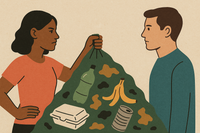
Organic waste includes materials that come from plants or animals and naturally break down over time.
Food scraps
- Fruit and vegetable peels
- Leftover cooked food
- Pasta, rice, and bread
- Meat and bones
- Dairy products
- Eggshells
- Coffee grounds
Food-soiled paper
- Used napkins and paper towels
- Uncoated, greasy pizza boxes
- Paper plates with food residue
Yard waste
- Leaves, flowers, grass clippings, small branches
Plastic packaging, metal cans, glass bottles, and coated paper products still belong in a recycling bin or regular garbage — not your compost container.

How to Separate Organic Waste
Organic waste must be placed in a labeled container with a secure lid — no larger than 55 gallons — and set out for collection on your regular recycling day. Containers can be lined with clear plastic bags, paper bags, or certified compostable liners, as long as the liner stays inside the bin.
Who must comply — and who gets fined
The rule applies to every residential building in New York City, regardless of size or neighborhood. Residents are responsible for separating food scraps correctly at home. Landlords and building managers are responsible for providing labeled bins, maintaining them, and setting them out for collection. DSNY enforcement targets buildings rather than individual tenants.
| Building size | 1st violation | 2nd violation | 3rd violation |
|---|---|---|---|
| 1–8 units | $25 | $50 | $100 |
| 9+ units | $100 | $200 | up to $300 |
Why New York Made This Mandatory
Organic material makes up roughly one-third of NYC's residential waste stream — over one million tons of food waste alone. When organic waste ends up in landfills, it decomposes without oxygen and releases methane, a greenhouse gas significantly more potent than carbon dioxide. By separating organics, the city can process them into compost or renewable energy instead.
NYC is following in the footsteps of San Francisco — which implemented mandatory composting back in 2009 — and Seattle. Diverting even part of the volume reduces landfill pressure, lowers transportation costs, and supports the city's broader Zero Waste goals.
The law is less about lifestyle change and more about infrastructure. The city is counting on each resident to help keep waste systems functional at the scale New York generates trash every day.
What Actually Frustrates Residents — and How to Fix It
Daily execution is where most people struggle, especially in small apartments. Odors are the most common complaint — food scraps can start smelling within a day or two, particularly in warmer months. Fruit flies follow. Leaks from wet food waste create messes at the bottom of containers. And many NYC kitchens simply weren't designed with an extra waste stream in mind.
Practical tips for storing food scraps at home
Avoid open containers or basic plastic buckets without a seal — these let odors escape and moisture build up. Instead, use a small kitchen container around one gallon in size with an airtight lid. Line it with compostable bags or paper to make emptying and cleaning easier.
Another option: freeze your food scraps. Keeping peels, leftovers, and trimmings in the freezer slows decomposition completely, eliminating smells and leaks until collection day — though this may not work well with a crowded freezer.

The Most Practical Solution for Small Apartments
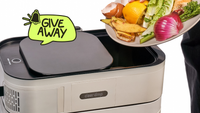
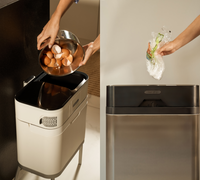
Clear Drop's Organics Collector (OC) was designed specifically for indoor use. The compact device is built with odor-blocking seals and leak-resistant materials — so if you're regularly dealing with meat, dairy, or other odorous waste, you won't have to worry about smells, leaks, or frequent trips to your building's compost bin.
Food scraps can be stored in the OC for up to one week. Whatever your preferred method, the key is finding a routine that fits naturally into your daily life.
Store food scraps for up to a week — without the smell
The Clear Drop® Organics Collector is built for NYC apartments: odor-blocking, leak-resistant, and compact enough to fit any kitchen.
See the Organics Collector →