ZeroTrash® Revolution Blog Blog
Explore articles on recycling, waste management and sustainable habits by category
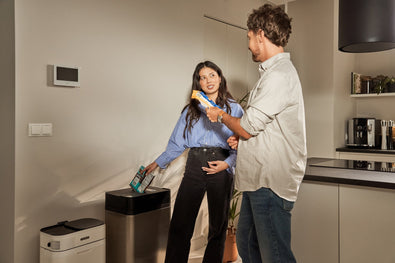

6 Steps to Launching a ZeroTrash Program at You...
Sustainability intentions are easy. Operational sustainability is harder — and far more valuable. For Sustainability Officers and HR teams tasked with turning ESG commitments into tangible workplace programs, waste is...
6 Steps to Launching a ZeroTrash Program at Your Organization
Sustainability intentions are easy. Operational sustainability is harder — and far more valuable. For Sustainability Officers and HR teams tasked with turning ESG commitments into tangible workplace programs, waste is one of the most visible and tractable places to start. Unlike carbon offsets or supply chain reforms, a ZeroTrash initiative produces results that employees can see, touch, and participate in every single day. Build your ZeroTrash program from the ground up The Clear Drop Soft Plastic Compactor and Organics Collector anchor soft plastic and organics diversion from day one. Explore Clear Drop Solutions → Commercial recycling programs built around genuine waste diversion rates are increasingly what procurement teams, clients, and candidates scrutinize first. But where do you begin? The six steps below offer a clear, practical path from wherever your organization is today to a program that diverts waste, builds culture, and holds up to scrutiny. Step 1: Launch With People, Not Just Policy A ZeroTrash program that arrives as a memo or a new bin without context will underperform. The infrastructure matters, but so does the human activation layer around it. This means communicating the why before the what. Employees who understand the scale of the problem — that only about 5% of plastics in the U.S. get recycled — engage with diversion programs differently than those who simply see a new bin appear in the break room. Launch communication Should come from leadership. A message from the CEO or HR Director that frames the program as part of the organization's values — not just an operational change — sets the right tone. Employee education Does not need to be elaborate. A short all-hands segment, a one-page visual guide at each station, and a brief FAQ covering what goes where and why covers the essentials. Green team involvement Accelerates adoption significantly. Identifying internal champions who can answer questions, model the behavior, and keep energy around the program alive turns a top-down initiative into a shared one. Free Infographic Guide 6 Steps to ZeroTrash Adoption — download the full visual guide Step 2: Audit — Understand What You're Actually Generating Before you can divert waste, you need to know what you have. A waste audit doesn't need to be a complex or expensive exercise. Even a structured observation over one to two weeks — categorizing what fills your general waste bins — will reveal where your highest-volume streams are. For most commercial and office environments, the dominant categories are: Food and organic waste Soft plastics (bags, wrap, pouches, packaging film) Corrugated cardboard General recyclables The audit will tell you which of these represents your biggest landfill contribution and where diversion will have the most immediate impact. What to look for Volume by category, contamination patterns (recyclables mixed into general waste), and the locations generating the most waste — break rooms, mailrooms, loading docks, and cafeterias are typically the heaviest contributors. Who should own it Facilities or operations teams lead the audit, but HR and sustainability officers should be present to understand the employee behavior patterns that drive waste generation. Step 3: Build the Right Infrastructure The single biggest reason ZeroTrash programs fail isn't lack of commitment — it's lack of infrastructure. If sorting waste is confusing, inconvenient, or poorly supported, participation will be inconsistent no matter how well-intentioned your team is. Infrastructure means three things: Collection stations placed at the point of waste generation — not tucked in a corner. Break rooms, copy areas, and reception zones need clearly differentiated stations for landfill, recycling, soft plastics, and organics. Labeling that uses images, not just words. A photo of a plastic bag on the soft plastics bin removes ambiguity far more effectively than text alone. Specialist tools for difficult streams that standard bins cannot handle. The right tools for the hardest streams Soft plastics — one of the highest-volume and most overlooked waste categories in commercial recycling settings — cannot be handled by standard bins or curbside programs. The Clear Drop Soft Plastic Compactor (SPC) compresses film plastics into dense, shippable blocks that go directly to certified recyclers, making soft plastic diversion genuinely practical at the workplace level. For organics, the Clear Drop Organics Collector (OC) controls odors and slows microorganism growth — removing the friction that typically derails food waste programs in shared spaces. Step 4: Partner Strategically for Downstream Certainty A ZeroTrash program is only as credible as what happens to the materials after they leave your building. This is the step most organizations underinvest in — and it's where greenwashing most often happens, intentionally or not. Diverting waste into a separate bin means nothing if that bin ends up co-mingled with general waste at the hauler level. Before launching any program, confirm that your waste management partners have verified downstream pathways for each material stream you're diverting. For soft plastics This is particularly critical. Most waste haulers do not have processing capability for film plastics. An end-to-end solution like the SPC — which includes prepaid shipping to certified U.S. recycling facilities — removes this uncertainty entirely. You know where it goes because the pathway is built into the program. For organics Confirm that your composting or anaerobic digestion partner accepts commercial volumes from your facility type and that there are no contamination restrictions that would disqualify your stream. Document everything Recycling certificates, diversion data, and processor confirmations are the evidence base your sustainability reporting — and your client conversations — will rely on. Step 5: Measure, Report, and Keep Improving What gets measured gets sustained. From the first week of your program, track diversion rates by stream, volume of materials kept out of landfill, and participation patterns across your facility. This data serves three purposes: Internally: it gives leadership and HR a clear picture of program performance and highlights where additional education or infrastructure is needed. Externally: it feeds your ESG reporting, satisfies procurement questionnaires from clients, and gives your recruiting team something concrete to cite. Strategically: it becomes a living record of your organization's commitment to commercial recycling and waste diversion — one that compounds in credibility over time. Real-World Impact: What Measurable Programs Look Like The table below maps program types to the credentials they generate and the business outcomes they support: Program Type What It Demonstrates Measurable Outcome Soft plastic diversion (SPC) End-to-end recycling accountability Volume of film plastic diverted; certificates of recycling Organic waste separation (OC) Operational discipline, reduced landfill burden Diversion rate %; CO2e avoided estimate Zero-waste-to-landfill initiative Systematic commitment, not just intention Landfill diversion rate across all streams ESG / sustainability reporting Transparency and governance readiness Third-party verified metrics in annual report Employee green team program Culture alignment, internal advocacy Participation rate; employee survey scores Set progressive targets Starting with 50% soft plastic diversion, then building toward 80% and beyond, creates momentum and a continuing story to tell. Celebrate milestones — share them internally and in your sustainability report. Step 6: Evolve Toward Zero ZeroTrash is a trajectory, not a switch. Organizations that treat it as a continuous improvement program — reducing landfill waste quarter over quarter — build more durable programs and more authentic sustainability narratives than those chasing a one-time certification. What Clients Look For: Credentials That Map to Business Value As commercial recycling and environmental sustainability initiatives become standard procurement criteria, the credentials your program generates become directly relevant to winning and retaining business. Credential Why Clients Care Business Signal Certified recycling pathway (soft plastics) Confirms material does not end up in landfill Supply chain integrity, reduced Scope 3 risk Organic waste diversion data Demonstrates operational follow-through ESG reporting readiness Commercial waste management services Shows scale and systematisation Procurement confidence Third-party recycling certificates Independent verification of claims Audit-ready sustainability narrative Employee participation metrics Signals cultural alignment, not just infrastructure Employer brand and talent pipeline The Compounding Effect Each of these six steps reinforces the others. A solid audit informs better infrastructure. Better infrastructure enables stronger partnerships. Strong partnerships produce credible data. Credible data fuels meaningful communication. And ongoing measurement creates the feedback loop that keeps all of it improving. That compounding effect is what separates a genuine ZeroTrash program from a one-time initiative. It's also what makes it visible — to employees, to candidates, to clients, and to the communities where your organization operates. The journey to zero starts with knowing where you are. Step one is closer than you think. Download the Full Guide 6 Steps to ZeroTrash Adoption — a visual infographic guide for your team Start your ZeroTrash program today Explore how Clear Drop's Soft Plastic Compactor and Organics Collector can anchor your diversion program from day one. Explore Clear Drop Solutions →

Atlantic Health Demonstrates Diversion of One T...
Single-use plastic waste is one of the most persistent challenges facing healthcare facilities today. Atlantic Health partnered with Clear Drop to pilot the Soft Plastic Compactor in their hospital pharmacy...
Atlantic Health Demonstrates Diversion of One Ton of Plastic Waste Annually with SPC
Single-use plastic waste is one of the most persistent challenges facing healthcare facilities today. Atlantic Health partnered with Clear Drop to pilot the Soft Plastic Compactor in their hospital pharmacy — and the results exceeded expectations. The potential for annual soft plastic waste diversion is not only substantial but also higher than we anticipated. 550–600 soft plastic med bags discarded daily from a single pharmacy 2,184 lbs of soft plastic diverted from landfill per hospital annually 1.09 tons plastic waste diverted per year — from just one pharmacy location Introduction Atlantic Health operates the nationally renowned Atlantic Health Morristown Medical Center, one of eight hospitals across their system serving the Northern New Jersey region. As part of their "Greening the Pharmacy" program, the hospital sought innovative solutions to address the environmental impact of their pharmacy operations. The Waste Problem The main pharmacy at Atlantic Health Morristown processes hundreds of patient medication transfers daily, generating substantial amounts of soft plastic medical bags. With no viable recycling pathway in Northern NJ, these bags were being sent directly to landfill. Key Pain Points High waste volume: 550–600 plastic med bags discarded every day.No recycling pathway: Soft plastics have extremely limited recycling options in the Northern NJ region — making landfill diversion a real challenge without the right technology. Project Goals The "Greening the Pharmacy" pilot program aimed to test whether soft plastic diversion at scale was operationally feasible in a live hospital environment. Pilot Objectives Assess the feasibility of recycling medical plastic bags at volume Quantify waste diversion potential at facility and system-wide levels Evaluate workflow integration without creating medication delivery bottlenecks Test the Clear Drop SPC technology in a real-world healthcare environment The Soft Plastic Compactor Solution The SPC was deployed to process patient transfer medication bags — soft plastic bags used to deliver pharmaceuticals to patients. These bags contain no medical waste or bodily fluids, making them a clean and viable plastic recycling stream. The SPC transforms loose, bulky medical plastic bags into dense, compact blocks through a proprietary compression process. Completed blocks can be shipped efficiently to Clear Drop's recycling partners. How the workflow operated Pharmacy technicians brought all emptied patient-transfer med bags to a designated collection point in the main pharmacy. Bags were transported to a separate on-site building twice per day. The SPC compacted approximately 250–320 bags per batch — producing one 6-pound block per daily cycle in approximately one hour. Completed blocks were packaged in Clear Drop-provided bags with pre-printed labels, with up to five blocks shipped per bag. Results: Waste Diversion Impact The one-week pilot at Morristown Medical Center's main pharmacy demonstrated clear and measurable results.When extrapolated across Atlantic Health's multi-hospital system, the potential for waste diversion becomes even more substantial. Daily 550–600 medication bags processed through the SPC Weekly 7 compacted blocks produced, totaling 42 pounds of plastic diverted Annually 2,184 lbs (1.09 tons) of soft plastic waste diverted per hospital — every year The SPC pilot successfully demonstrated that we could make a meaningful environmental impact without overhauling our entire pharmacy operation. Diverting 2,184 pounds of plastic annually from just one pharmacy shows the potential for system-wide implementation. Atlantic Health Morristown Medical Center Pharmacy Team Findings and Key Success Factors The pilot successfully demonstrated that healthcare facilities can meaningfully reduce their environmental footprint while maintaining full operational efficiency. What made it work Workflow integration: The SPC fit naturally into existing pharmacy operations with minimal disruption Quantifiable impact: SPC block output enables clear reporting toward sustainability goals Scalability: The process can expand to satellite med rooms and be replicated across multiple hospital pharmacies within the system Operational best practices: The pilot identified optimal SPC placement in areas with adequate ventilation, and controlled feeding (rather than bulk loading) for best compression results Strategic Implications for Atlantic Health With multiple hospitals in the Atlantic Health network, system-wide implementation could divert several tons of soft plastic waste annually. This aligns with healthcare sustainability imperatives while potentially reducing waste hauling costs and demonstrating environmental leadership in the healthcare sector. The pilot also revealed opportunities for broader collaboration — expanding beyond pharmacy to other hospital departments generating soft plastic waste, and sharing best practices with other healthcare systems facing similar challenges. Bring Medical Plastic Recycling to Your Healthcare Facility Atlantic Health's successful pilot positions them as a leader in healthcare sustainability innovation. The program demonstrates that with the right technology and commitment, hospitals can transform a persistent waste stream into an environmental success story — one med bag at a time. Atlantic Health continues to evaluate expansion opportunities across their hospital network as part of their ongoing commitment to environmental stewardship and operational excellence. Ready to start a pilot at your facility? Clear Drop® partners with hospitals and healthcare systems to reduce soft plastic waste with measurable, meaningful results. Contact Our Team → Learn More About the Process →

Earth Day 2026: 5 Waste Habits That Make a Real...
🌍 Earth Day 2026 5 Small Habits That Actually Reduce Household Waste Every Earth Day, we hear the same message: reduce, reuse, recycle. But how do we know which everyday...
Earth Day 2026: 5 Waste Habits That Make a Real Difference at Home
🌍 Earth Day 2026 5 Small Habits That Actually Reduce Household Waste Every Earth Day, we hear the same message: reduce, reuse, recycle. But how do we know which everyday habits actually make a difference? Not all waste is actually waste — even though much of it ends up in landfills. 24% of U.S. landfill material is food waste — the single largest category, per the EPA 9% of all plastic waste is recycled worldwide — with soft plastics at the very bottom 70% projected growth in global waste by 2050, driven largely by packaging patterns Sources: U.S. EPA — Sustainable Management of Food · OECD Global Plastics Outlook (2022) · World Bank — What a Waste 2.0 As individuals, we can help move the needle on these numbers. Small, consistent habits matter more than occasional big efforts. Below are five easy habits you can start today. Habit 1 Separate Your Food Scraps Why This Is the Highest-Impact Change Food waste is both a resource and a climate problem. When organic material ends up in a landfill, it decomposes anaerobically — without oxygen — releasing methane. The EPA identifies methane as over 25× more potent than CO₂ over a 100-year period. 25× more potent than CO₂ — that's how the EPA classifies landfill methane from organic decomposition #1 Food is the single largest category sent to U.S. landfills and incinerators, per the EPA Whether you compost at home or use municipal collection, separating your food scraps is the first major step in diverting food waste away from landfills. How the Organics Collector makes this effortless The most common reasons people abandon food-scrap separation: odor buildup, moisture and fruit flies, and no convenient storage for small kitchens. These are exactly the problems the Organics Collector (OC) is designed to solve. Built for daily kitchen use in compact spaces, it reduces moisture buildup, minimizes odor, and makes separation a realistic daily habit. See the Organics Collector → Habit 2 Stop Throwing Soft Plastics Into the Recycling Bin Soft plastics — including plastic film, bread bags, produce wraps, bubble wrap, and grocery bags — are one of the most commonly misunderstood waste categories. Why soft plastics don't belong in curbside bins When placed in curbside bins, soft plastics get tangled in sorting facility machinery, causing shutdowns and contaminating otherwise recyclable loads. They can be recycled, but only through separate drop-off programs at participating retailers via the How2Recycle program. Here's what to do instead: Remove soft plastics from your curbside bin entirely. Collect clean, dry film plastic in a separate bag. Drop off at a participating retailer. Use the How2Recycle store locator to find a location near you. If your household generates significant soft plastic regularly, consider the Soft Plastic Compactor (SPC) from Clear Drop. It compacts about a month's worth of soft plastic into a manageable size for easy storage and drop-off. Habit 3 Buy Less Packaged Food Most people underestimate how much packaging they bring home each week. You can make small, consistent purchasing shifts to reduce plastics and costs over time — without making any major changes in your shopping habits. Practical packaging swaps Choose fresh, loose produce over pre-bagged or shrink-wrapped alternatives Opt for large packaging — one 32-oz container instead of four 8-oz single-serve portions Use refillable containers for pantry staples where bulk sections are available Try concentrated or solid-format cleaning and personal care products, like tablets or bars If you can consistently reduce packaging on just two or three of your regular purchases, you can create meaningful long-term impact. Habit 4 Check What Your City Actually Recycles One of the least-visible but most consequential problems in household recycling is called "wishcycling": placing items in the recycling bin with hopes they'll be processed, without checking whether they actually are. Contamination from non-recyclable items can cause entire truckloads to go to the landfill. U.S. EPA — Recycling Basics Recycling rules vary significantly by municipality. What's accepted in one city may be rejected in a neighboring one — and accepted materials change when processing contracts change. What to do Look up your municipality's current accepted materials list on your city or county's waste management website. U.S. households can also go to Earth911.com for a material-by-material search by zip code. Habit 5 Make It a Household Habit, Not a Solo Effort Waste habits tend to break down when they depend on one person to enforce and sustain. When shared among the whole household, they stick. What tends to work Label bins clearly — so it's obvious what goes where without having to think Keep the food-scrap container on the counter, not under the sink — visibility drives usage Do a 10-minute household recycling audit together, going through what your city accepts and doesn't In shared living, clear labelling and signage matters even more — shared bins with unclear rules are a main contamination source in multi-unit buildings When one household member sorts consistently, others tend to follow. Behavior change spreads in close-proximity settings. Families with children who practice visible sorting at home show higher rates of environmental habit adoption over time. Start With One New Habit This Earth Day The highest-impact place to start is separating your food scraps — but it's also often the first habit people drop. The Organics Collector (OC) is built for compact kitchen spaces and manages moisture and odor: the two things that make food-scrap separation feel impractical in most households. For soft plastics, the Soft Plastic Compactor (SPC) compacts up to 3 pounds of film plastic, making it easy to manage in a small space with fewer drop-offs. This Earth Day, don't aim for perfection. Start with just one habit and make it stick. The OC and SPC are built for exactly that. Shop Organics Collector → Shop Soft Plastic Compactor →

Global Recycling Day: The Reality of Recycling...
March 18 is Global Recycling Day, an international initiative created by the Global Recycling Foundation to highlight the importance of recycling and using sustainable resources. Global Recycling Day emphasizes a...
Global Recycling Day: The Reality of Recycling and How You Can Help Improve the Stats
March 18 is Global Recycling Day, an international initiative created by the Global Recycling Foundation to highlight the importance of recycling and using sustainable resources. Global Recycling Day emphasizes a simple concept: Recyclable materials should be treated as valuable resources rather than waste. Recycling helps conserve natural resources, reduce pollution, and support a more sustainable economy. However, global research shows that most waste produced worldwide is still not recycled. Let's take a closer look at the data — and how individual households can actually make a difference. Global Waste & Recycling Statistics Here are some interesting — or, rather, shocking — stats about waste and recycling, globally and stateside: 2.24B tonnes of municipal solid waste generated worldwide every year, according to the World Bank +70% projected increase in global waste production by 2050 if current trends continue (World Bank) ~19% of municipal waste worldwide is actually recycled — the rest ends up in landfills or worse (World Bank) ~9% of plastic waste worldwide is recycled — ever, according to the OECD Global Plastics Outlook ~32% national recycling rate in the United States, per the EPA ~24% of U.S. landfill material is food waste — the single largest category (EPA) Surprising Recycling Facts You Probably Didn't Know Did you know? Recycling aluminum saves up to 95% of the energy required to produce it from raw ore — making it one of the most impactful materials to recycle correctly. (EPA) Recycling one ton of paper saves about 17 trees and roughly 7,000 gallons of water. (EPA) Plastic can only be recycled a limited number of times before its quality degrades enough to make it unusable — which is why reducing plastic use matters too, not just recycling it. (Our World in Data) Globally, less than 10% of all plastic ever produced has been recycled. Most has ended up in landfills, in the environment, or been incinerated. (Our World in Data) Plastic Recycling Is a Global Challenge Of these stats, one area that stands out is plastic waste, which remains a significant environmental issue. According to the OECD Global Plastics Outlook, plastic production has more than doubled since 2000 and now exceeds 400 million tonnes annually. Even with an increase in recycling initiatives worldwide, the majority of plastic waste is still not recycled, and most of it ends up in landfills. Mismanagement is a big part of the issue, with around 22% of plastic waste leaking into ecosystems or waterways. Key takeaway Globally, less than 10% of all plastic ever produced has been recycled. The gap between production and recovery is enormous — and growing. Recycling in the United States Since Clear Drop products are primarily used in the United States, we wanted to look a little closer at the country's recycling data. According to the Environmental Protection Agency (EPA), Americans generated approximately 292 million tons of municipal solid waste in 2018. While the U.S. recycling rate is about 32%, only around 9% of plastic is recycled. Food waste is another issue: it's the largest category of landfill waste, representing roughly 24% of landfill material. Household Waste That's Hardest to Recycle Some types of household waste consistently create problems for recycling systems — and are the ones most likely to end up in the trash by default: Waste Type Why It's Difficult Environmental Impact Organic waste (food scraps) Difficult to store without odor; often mixed with general trash Produces methane emissions when decomposing in landfills Soft plastics (bags, wrappers, films) Rarely accepted in curbside programs; wraps around sorting machinery Frequently sent to landfills or leaks into the environment Mixed packaging Multiple materials bonded together in one product Almost impossible to separate for recycling — usually landfilled All of these materials require separate collection or preparation before recycling, which is why many people struggle to manage them effectively. Why Household Recycling Matters and What You Can Do Recycling systems often fail because recyclable materials become contaminated before reaching recycling facilities. In general, reducing landfill waste requires better sorting before materials enter recycling systems. This means waste separation in individual homes and businesses can significantly improve recycling efficiency. Here are a few small changes you can make at home: Separate organic waste from general trash Rinse containers before placing them in recycling bins Keep flexible plastics separate from other recyclables Create simple systems for sorting waste in your kitchen While such behavioral changes at home can have a measurable environmental impact, it's often easier said than done. We understand that some types of household waste are kind of a pain to deal with, including: Organic waste. Food scraps are difficult to store (think: odors, flies, and lack of space) and often just end up in the general trash. However, when organic waste decomposes in landfills it produces harmful methane emissions. Soft plastics. Bags, wrappers, films, and other common packaging plastics are rarely accepted by most curbside recycling programs, meaning most of it is sent to landfills. Mixed packaging. When multiple materials are combined in one package, it can be difficult to separate each part for recycling. The end result: all of it usually ends up in the trash. Why this matters Even motivated people stop participating when the process feels messy, uncertain, or inconvenient. Reducing that friction is the key to better recycling outcomes. How Clear Drop Helps Simplify Household Recycling Do you want to recycle more but struggle with the practical side of sorting and storing? At Clear Drop, we call this pre-recycling, and we focus on two of the most challenging household waste streams: organic waste and soft plastics. Clear Drop's Organics Collector (OC) helps you store food scraps cleanly and without odor, making organic waste separation easy — so it actually happens, instead of ending up in the general trash. Clear Drop's Soft Plastic Compactor (SPC) helps you collect, store, and properly recycle flexible plastics, films, packaging, and other soft plastics that are often not accepted by most city recycling programs. By addressing two of the most difficult waste streams, these solutions help households build a practical pre-recycling system at home — one that actually works in real life. How To Celebrate Global Recycling Day — Every Day! Global Recycling Day is just one more reminder that recycling can make a huge environmental impact, especially when it becomes a daily habit practiced by millions of households. While governments and industries work to improve recycling infrastructure, you can help make a big difference now by introducing a few small changes at home. Add in a few practical tools — like Clear Drop's Organics Collector and Soft Plastic Compactor — and recycling not only becomes easier and more effective, but also kind of fun (we think!). Turn your household waste into measurable impact Learn how Clear Drop's tools help households tackle the two hardest waste streams: organic waste and soft plastics. Explore the Organics Collector

Soft Plastic Recycling Myths That Stop People f...
Soft plastic recycling myths that stop people from taking action Soft plastic recycling can be a real head-scratcher sometimes. Ever stood over your trash can with a bread bag in...
Soft Plastic Recycling Myths That Stop People from Taking Action
Soft plastic recycling myths that stop people from taking action Soft plastic recycling can be a real head-scratcher sometimes. Ever stood over your trash can with a bread bag in hand, feeling the anxiety build up because you’re unsure where it belongs? It happens to the best of us. Unfortunately, such confusion often leads to inaction, which inevitably fills up the landfills. But soft plastic recycling doesn’t need to be such a mystery. This guide breaks down the most common myths about soft plastics with real data, industry reports, and practical solutions that ensure your plastic gets properly recycled. Why Soft Plastic Recycling Feels So Confusing “Soft plastics” is not a single material. The term includes: Grocery and produce bags Bread bags Stretch wrap from water cases Shipping air pillows Overwrap on paper products Multi-layer snack pouches Some of these are recyclable. Others are not. And many look identical. Most U.S. curbside recycling systems were never designed to handle film and flexible packaging. According to The Recycling Partnership and plastic film recyclers, thin film can wrap around sorting machinery at material recovery facilities (MRFs), forcing shutdowns and contaminating other materials. This is not a consumer failure, but a system limitation that’s compounded by mixed messaging and different rules for different cities. Key takeaway Soft plastics are not one simple category. That is exactly why people get confused and why clear sorting guidance matters. Why Proper Soft Plastic Recycling Matters More Than Ever Flexible plastic packaging is one of the fastest-growing segments of the packaging market, largely driven by: E-commerce growth Lightweight shipping materials Convenience packaging Food preservation needs At the same time, plastic recycling rates remain low. According to the U.S. Environmental Protection Agency (EPA), the United States generated 35.7 million tons of plastic waste in 2018. Only 3.09 million tons were recycled, which equals a recycling rate of 8.7%. More recent independent analyses suggest that the effective recycling rate for plastics may be closer to 5% once exports and contamination are factored in. Soft plastics are a large part of that gap. Top Soft Plastic Recycling Myths Debunked Myth 1: Soft Plastics Can’t Be Recycled at All Reality: Many soft plastics are recyclable — just not curbside. Most curbside programs in the U.S. do not accept plastic film. However, many polyethylene-based films (#2 HDPE and #4 LDPE) qualify for store drop-off programs. Items often accepted in these programs include: Grocery bags Produce bags Bread bags Stretch wrap Newspaper sleeves Overwrap on paper towels or toilet paper Certain labeled plastic mailers Companies like NexTrex collect film materials from grocery stores across the U.S. and process them into composite decking. Trex reports diverting billions of pounds of plastic film from landfills through its program. What to know: Soft plastics aren’t “non-recyclable.” They just require the correct collection stream. Myth 2: Sorting Soft Plastics Is Too Complicated Reality: It feels overwhelming — until you simplify the rules. You don’t need to memorize dozens of material codes or worry about being 100% perfect. Instead, focus on these core principles: Don’t place film in curbside bins unless your local program explicitly allows it. Look for “store drop-off” labels on packaging. Know that stretchy, single-layer polyethylene films are typically accepted. Set aside crinkly, shiny, multi-layer snack packaging, which is usually not accepted. Usually Accepted(Store Drop-Off) Usually Not Accepted Grocery bags Chip bags Bread bags Candy wrappers Stretch wrap Metallic pouches Newspaper sleeves Frozen food bags (multi-layer) Myth 3: One Household Won’t Make a Difference Reality: Scale begins with consistency. A broken system can lead people to believe that their own actions don’t matter. But recycling markets depend on volume and material quality. Simply put, companies invest where supply is predictable. Cleaner streams attract buyers who then create economic incentives that build infrastructure. With reduced friction, more households will consistently separate soft plastics correctly, creating measurable feedstock and a major impact. Myth 4: Soft Plastics Are Always Too Contaminated to Recycle Reality: Contamination is preventable. Most film recycling programs require materials to be clean, dry, and free of residue. This is because oil, crumbs, and moisture can degrade material quality and potentially cause entire batches to be rejected. Curbside mixing increases contamination risk because film becomes tangled with wet recyclables. A simple rinse and air dry can dramatically improve recycling viability. Such small preparation steps make large systemic differences. What Actually Works: Clear Sorting and Compaction If soft plastic recycling is going to work at scale, it must meet three conditions: Clarity when sorting: People need immediate answers about what belongs where. Clean, contained storage: Without an easy storage solution, people don’t want to deal with loose, messy plastic. Defined downstream pathway: People want to know where their materials go, with a guarantee that they won’t end up in a landfill. How Clear Drop’s ZeroTrash® AI and Soft Plastic Compactor (SPC) Support Effective Recycling The biggest psychological barrier in recycling is doubt. Clear Drop’s system is designed to remove that uncertainty. This starts with ZeroTrash® AI, which allows users to scan or upload a photo of an item and receive a clear answer on how to recycle it within seconds. Next, is a proper storage solution. This is where the SPC comes into play. Clear Drop’s Soft Plastic Compactor (SPC): Changing the Collection Equation Loose film is lightweight, difficult to transport, and prone to contamination. Compacting it changes all that. By compressing household soft plastics into dense, contained blocks, the SPC helps: Reduce contamination risk Create more efficient shipping volume Produce consistent, recoverable feedstock The soft plastic blocks created by the SPC are sent to verified recycling partners for processing into reusable raw materials. Instead of hoping film makes it through a curbside system, this approach ensures a defined pathway from household to recycler. What You Can Do Today To Ensure Proper Recycling Most people want to recycle correctly but stop because rules are unclear, messaging is inconsistent, and infrastructure is often unreliable. However, small shifts in how you approach recycling can make a big difference in the long run. Here are a few things you can do right now: Separate soft plastics from curbside recyclables. Keep them clean and dry. Take advantage of store drop-off or mail-back programs. Use decision tools like ZeroTrash® AI to remove uncertainty. These small changes will reduce landfill volume and increase recoverable material streams. Why this matters Even motivated people stop participating when the process feels messy, uncertain, or inconvenient. Ready to Take Action? Reducing soft plastic waste doesn’t require perfection — just clarity and the right tools. Try ZeroTrash® AI to simplify your sorting decisions and consider investing in a Soft Plastic Compactor (SPC) for easier storage and a streamlined recycling process. Turn your soft plastic waste into measurable impact Learn how the Soft Plastic Compactor (SPC) helps households store, compact, and send soft plastics to verified recycling partners. Learn more about the SPC